
The Martin County Most Wanted Program
A most-wanted program is a public-safety tool, not a court docket. It highlights a handful of selected cases and asks residents to send tips. It is never a complete inventory of outstanding warrants. Martin County has no such program running. The sheriff publishes no most-wanted roster, the county has no Crime Stoppers list, and no official tip-program page exists for Martin County. No names, photographs, or mugshots belong here, because there is no roster to reproduce. Go to the source agency for current information. And never approach a person who appears on some outside list, since those pages carry no official standing in Martin County.
Martin County Has No Published Most-Wanted Roster
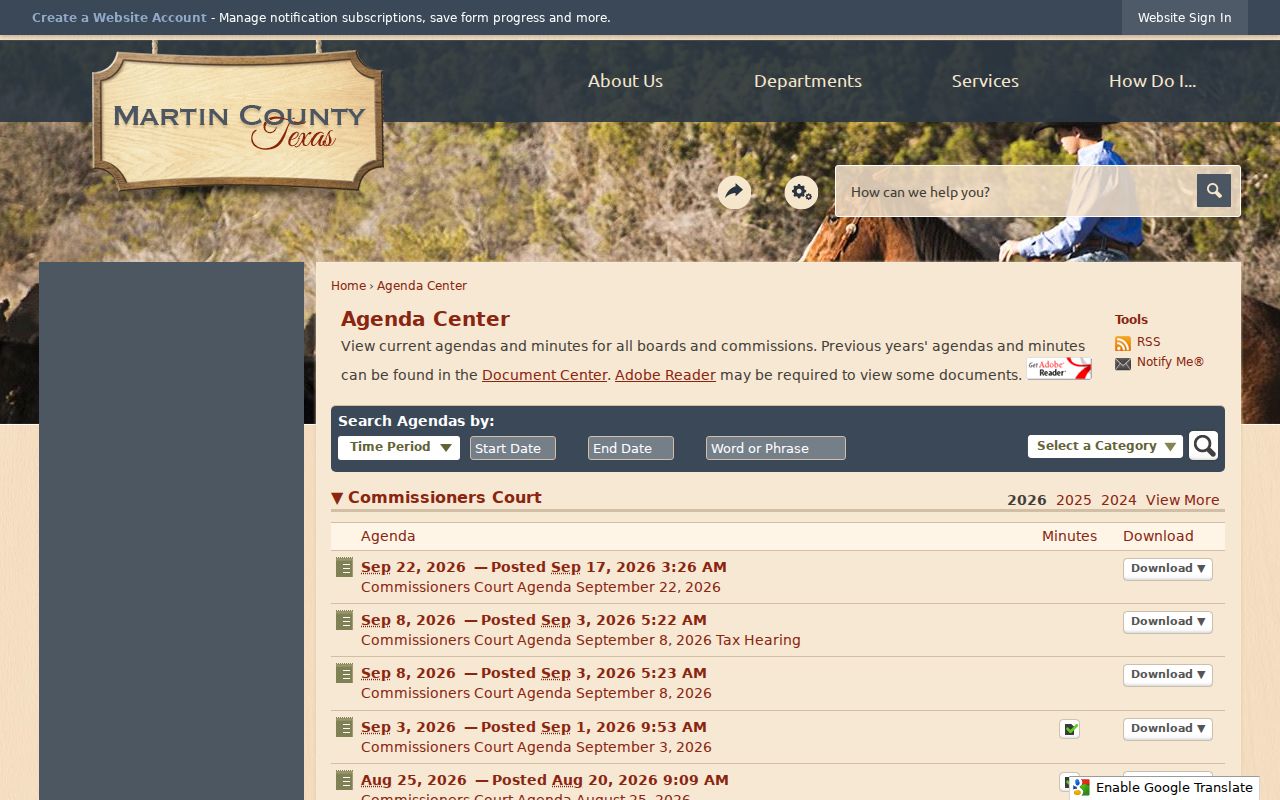
Martin County publishes no most-wanted roster. The sheriff’s page gives contact details, an inmate roster, and links to county offices, but nothing that names wanted people. The county agenda center likewise carries no roundup or most-wanted notice right now. That could change, so recheck the official pages if you hear a list exists. A site calling itself "Martin County Most Wanted" is just borrowing the name. Unless the county itself posted it, treat it as unofficial. For the real thing, watch The Martin County Sheriff’s Office page, which serves as the county’s official contact point and link hub. Confirm anything there before you share it, since outside pages copy county names freely and stale lists travel for years. Martin County offices are the only source that can vouch for a local list.
How the Lists Work
A most-wanted list is a curated selection, not a warrant file. Someone picks a handful of cases and asks the public for tips. A true countywide active-warrant system would need named courts feeding it, a stated update schedule, clear status terms, and a way to fix a wrong match. Martin County has no such system and no published data rules. That gap cuts both ways. An absent name proves nothing about a warrant. A name on some outside list proves nothing either, since it may be old, incomplete, or attached to the wrong person. For your own status, skip the lists and call the issuing court. The clerk can tell you what the docket actually shows, which no curated page can.
Martin County Warrant and Jail Roster Sources Differ
The sheriff’s page links to a Kologik inmate roster. That is a custody tool, nothing more. It shows who is in the jail, not who has an outstanding warrant, so it cannot answer a warrant question in either direction. A court’s case record has the opposite limit, since it rarely says where someone is held. Each official source does one job, and mixing them invites errors. Martin County routes jail questions to the sheriff’s general office and warrant questions to the court named on the citation or case papers. There is no public warrant list that merges the two. You reach the roster through the sheriff’s official page, which posts no separate warrant search either.
Martin County Has No Current Warrant-Roundup Notice
No amnesty or warrant-roundup event is posted for Martin County. The agenda center and sheriff materials show no current announcement of that kind. Texas Municipal Courts Education Center resources describe how amnesty and roundup events work statewide, but a statewide program is not a Martin County event. Terms and dates shift, and an old document can mislead badly. The county’s 2019-linked sheriff fee document is historical, so it is no guide to any current roundup amount. If a notice reaches you, verify the court, the date, eligibility, payment terms, and an official phone number before acting on it. The official agenda center is where Martin County posts dated public actions, making it the best spot to recheck for a real event.
Treat any new Martin County roundup notice as current only after you verify its terms with the issuing court.
How to Report a Tip Safely
Send tips through the official agency channel that asked for them. The Texas DPS Most Wanted program explains anonymous tip options and rewards at the statewide level. Follow its current instructions, keep private details off public posts, and never approach a person yourself. For a Martin County matter, route the tip to the local office.
Tip safety: Use the official tip route named by the agency. Do not confront a person, publish a home address, or send private case material through an unrelated search site. For your own court record, contact the issuing court instead of sending a tip.
The Texas DPS Most Wanted program covers the whole state; it is not a Martin County roster.
Martin County Warrant Records Differ From Texas DPS’s Statewide Program
Texas keeps its own most-wanted effort. The Texas DPS Texas 10 Most Wanted program is a curated, statewide tip program, and the DPS 2025 program summary, released in February 2026, reports statewide results only. Those numbers cover the state as a whole. They say nothing about a Martin County warrant count, a local roster, or any sheriff update schedule. The U.S. Marshals Service's Lone Star Fugitive Task Force sits in the same regional and federal world, built on partner agencies rather than a county public roster. That role still creates no searchable Martin County list. Check the agency's own page for what it documents.
Most Wanted vs an Active Warrant
These labels point to different records. A curated tip program picks a few cases and asks the public for help. An active-warrant list, where a court or sheriff publishes one, covers broader process within one defined system. Martin County publishes neither list.
| Question | Most-wanted program | Active-warrant record |
|---|---|---|
| Scope | Selected cases chosen for tips. | Process held by a court or agency within a stated coverage area. |
| Purpose | Ask for information through an official tip channel. | Confirm a court record and its current status. |
| Martin County source found | No local roster located. | No countywide public list located. |
| Best personal route | Not a personal status check. | Contact the issuing court or agency. |
The active-warrant page explains the county list gap and record-confirmation route.
Martin County Tip Routes Are Not Warrant-Status Checks
A tip line passes information to an agency. It cannot confirm a warrant's status. A warrant-status question belongs with the court or its clerk, with the case identified. Some tip programs allow anonymity. Those terms, and any reward rules, vary by program, so do not assume the Texas DPS rules govern a local agency. Before submitting anything, note who runs the request, what it asks for, whether confidentiality is described, and how rewards are handled. Martin County publishes no local most-wanted tip channel. It also posts no reward schedule. Share information only through an official agency source.
If You Believe You Are on a List
Start by confirming exactly where the name appeared. Was it an official court or agency page? A name alone can match more than one person, and a social post or private database is not court confirmation. Contact the court named in the record. Ask which case, date, and status it reflects. A lawyer can advise you before you respond if the matter could concern you. Never approach anyone shown in an online post, and never try to settle a warrant through a tip form. Ask the court what process applies, and keep written confirmation of any step you take. Martin County offers no clearance form or status certificate online.
Use the court route: Verify any claim with the issuing court and get legal advice about your own situation. Do not rely on a reposted name or image.
Martin County Most-Wanted Warrant Update Timing Is Unknown
Martin County publishes no most-wanted roster. So there is no local update cadence or selection policy to describe. The county agenda center shows dated public actions. The sheriff page carries current official links. Neither source is a live warrant list without a published feed or direct county notice. Recheck the local sheriff, city-court, and county pages from time to time, and keep any new announcement's date and issuing agency with the page reference. A statewide program result proves no Martin County reform. Nor does a historical fee schedule.