
Traffic Warrants in Martin County
A traffic warrant or capias in Martin County grows out of a court process: a citation, a missed date, a judgment, or an unpaid fine. So the first job is figuring out which court issued the ticket. Stanton city citations, JP fine-only cases, county-court matters, and tickets written in another jurisdiction each take a separate path. There is no single local search or payment portal that covers them all. The county's own pages publish no countywide traffic-warrant search and no current fee schedule either. One sheriff-linked civil-fee PDF carries a 2019 date, so treat it as history rather than a live amount. Call the issuing court instead. The clerk there can confirm the record and tell you what payment or appearance the case actually requires today.
Martin County Traffic Warrant Requests Start With Citation Ownership
The citation itself is the map, so read it first. It names the court, the city or precinct, the citation number, and the appearance date. Stanton Municipal Court comes first for a Stanton ticket. A justice-court matter goes to the JP precinct printed on the paper, while county misdemeanor records route through the County & District Clerk and the county court. A citation written outside Martin County belongs to whatever court issued it, not to a local office. Keep the local court map in perspective too. It routes calls; it does not mean every office can clear every process. The county attorney lists contested traffic tickets among its work, yet that office is not the status desk for each citation or warrant in Martin County.
| Citation clue | First contact | Public route located | Confirm with the court |
|---|---|---|---|
| Stanton city ticket | Stanton Municipal Court, 432-756-3304 | GovRec payment link on the city page | Warrant status and whether payment recalls process. |
| JP citation | Correct precinct, 432-756-3445 or 432-756-3711 | No warrant-specific portal located. | Case status, appearance, payment, and current balance. |
| County misdemeanor | County & District Clerk, 432-756-3412 | General record-search link only. | Court order, warrant or capias, and disposition. |
| License-renewal issue | DPS/OmniBase, 1-800-686-0570 | Official Texas FTA/FTP route. | Issuing court status and clearance report. |
How to Check for a Traffic Warrant
Let the citation steer the warrant check. A payment link on a website does not reveal whether an active warrant exists, and a state compliance result is not the court's docket. Before you pay a fine or assume a Martin County case is closed, call the court named on the ticket and ask about the warrant status directly.
- Identify the city, court, precinct, citation number, and date on the ticket.
- Call the named court using its official contact page and ask what case record it holds.
- Ask whether the docket shows a citation, judgment, failure to appear or pay, warrant, capias, payment, or recall.
- If DPS renewal is affected, use the official FTA/FTP route and contact each issuing court shown.
- Request written proof of payment, recall, disposition, or clearance reporting and keep it with the citation.
For wider official routes, the Martin County warrant search page lays out the county's court-by-court approach.
Martin County Traffic Warrant Status Is Separate From Stanton’s Payment Link
The Stanton Municipal Court page points to GovRec for paying a citation. That vendor route offers no warrant-search fields, no public active-warrant list, no current warrant fee, and no recall form. So ask the municipal-court clerk before paying. Find out whether the case carries a warrant or capias, and whether the court wants an appearance or a separate order. The court phone is 432-756-3304. The city page lists different office hours by weekday and names the county sheriff as its after-hours or emergency contact, which is not an overnight warrant-resolution counter. If your citation names some other court in Martin County, follow that court rather than Stanton's vendor. The official Stanton court page posts the payment link and current contact details.
What a Traffic Warrant Shows
Martin County publishes no sample traffic-warrant record and no citation-number pattern to check against. A court can confirm these fields from its own citation or docket. Treat this as a request checklist when you call the clerk, not as a promise that any web result will show every field.
| Citation or cause number | Use the number on the ticket The county does not publish a local warrant format. |
|---|---|
| Issuing court | City, JP precinct, county court, or other court that owns the citation. |
| Status | Ask whether the record reflects a citation, judgment, FTA/FTP report, warrant, capias, payment, or recall. |
| Amount due | Confirm the current amount with the court; do not use historical figures as present fees. |
| Clearance report | If DPS is involved, ask when the court will send its report and how to verify receipt. |
Martin County Traffic Warrants Differ From DPS Compliance
Texas DPS runs a Failure to Appear/Failure to Pay program. It can flag a reported citation-compliance issue that affects driver-license renewal. Its official results route asks for a driver-license or ID number and date of birth, so use those details only on the secure state route or as the court directs. The program is not a full active-warrant inventory. DPS says its license specialists have no warrant access. Its guidance gives processing estimates after a court reports clearance, and the live page should be checked because separate DPS materials describe different time windows. For a Martin County ticket, the issuing court still controls whether a warrant or capias sits on its docket. A clean program result does not prove a court process was recalled. See the official DPS FTA/FTP page for current directions, then ask the court named on the citation to confirm legal status.
Paying or Lifting a Traffic Warrant
Ask the issuing court what remedy fits the actual case. Payment may settle a balance, but Martin County claims no countywide rule that paying alone recalls every warrant or capias. Some matters need a court appearance or a judge's order. So confirm the allowed payment method, whether a separate fee applies, and what record will show the process has changed. The county's official sources list no current bond schedule, no current warrant fee, and no universal walk-in procedure. The sheriff page's 2019-linked civil-fee PDF is historical. The 2024 Commissioners Court minutes note fees stayed the same as 2024, but those minutes do not set out a current traffic-warrant schedule.
Before you pay: Ask the issuing court whether payment resolves the citation only or also changes the warrant or capias status, and request written confirmation.
A 2019 Sheet Is Not a Martin County Traffic Warrant Fee Schedule
The sheriff’s website links a civil-fee document still carrying its 2019 formatting. It shows old amounts for warrant, capias, and copy services. Treat those numbers as history. The 2024 county minutes state that sheriff and constable fees stayed at the same level as 2024. That note still gives no Martin County traffic-court payment table. It never says what a given court charges. So get the current fee in writing from the court or sheriff before any money moves. Confirm the payee and the accepted payment method. Ask whether the payment changes the docket, and keep the dated sheet filed with any newer answer so an old document is never mistaken for current Martin County instructions.
Traffic Warrant vs FTA and License Holds
A traffic warrant is court process. An FTA or FTP report is a compliance event the court reports to DPS, and it may affect license renewal. The two can travel together, but a Martin County warrant does not prove a hold, and a hold does not prove a warrant.
| Question | Court warrant or capias | DPS FTA/FTP status |
|---|---|---|
| Who confirms it? | The issuing court, with the serving agency for execution questions. | DPS/OmniBase for the reported compliance item. |
| What does it cover? | A court’s process in a specific case. | A court-reported failure to appear or pay tied to license renewal. |
| What clears it? | Follow the court’s case-specific order or procedure. | The court reports compliance; DPS processing then follows its current guidance. |
Until both offices confirm their records, treat a Martin County court’s warrant status and state DPS processing as two separate questions.
Martin County Traffic Warrant Status Stays With the Court
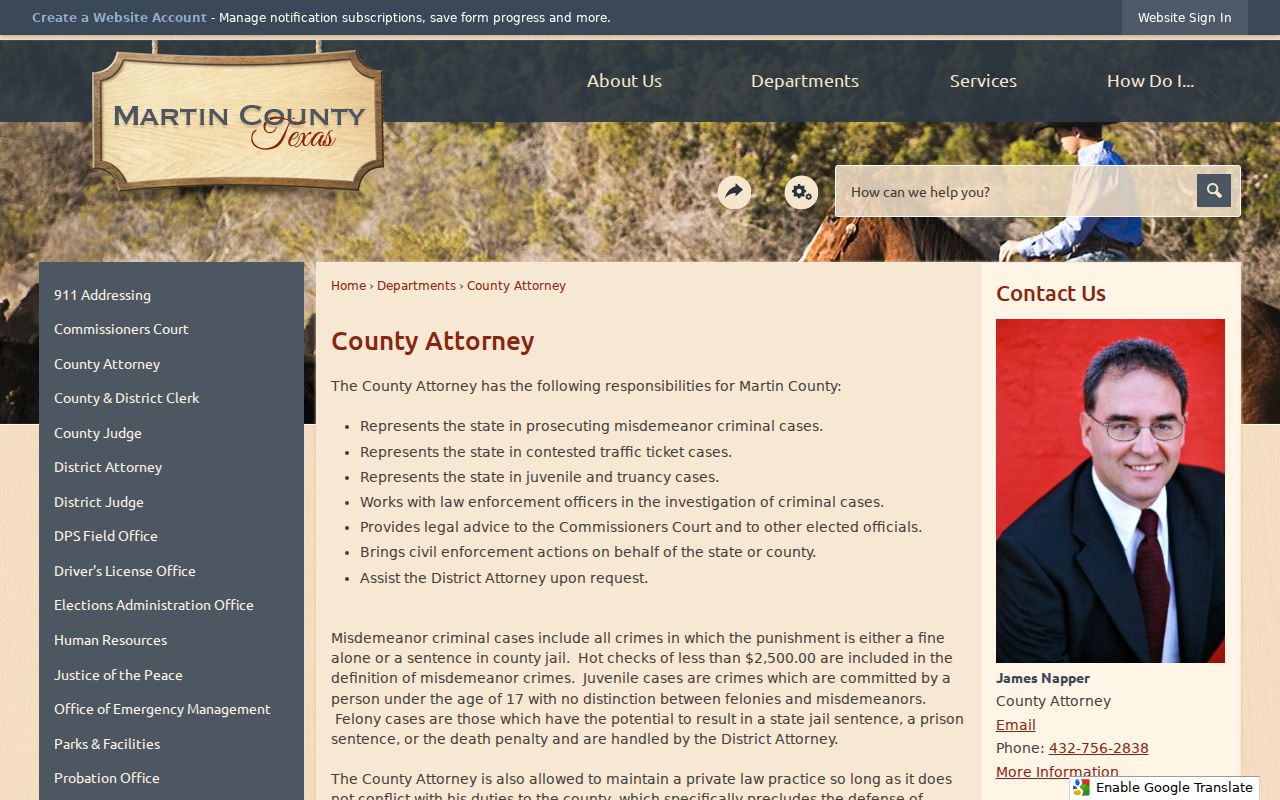
Martin County’s County Attorney page lists contested traffic tickets among its county-office work. That helps when a ticket is disputed. It does not make that office the status contact for every JP or municipal citation. The filing court owns the docket. It alone can say what hearing, filing, or payment step a Martin County case needs. Felonies go to the district attorney instead. The official page describes the office’s full role, so read the current office description before calling. Then follow the court name printed on the ticket. Stanton’s citation route sits on the municipal court page.
Hold on to everything. Keep the citation, court notices, receipts, and any written status reply so a Martin County court can match follow-up to the same case.